
India
India - Commemorative Stamps of 1965
1965
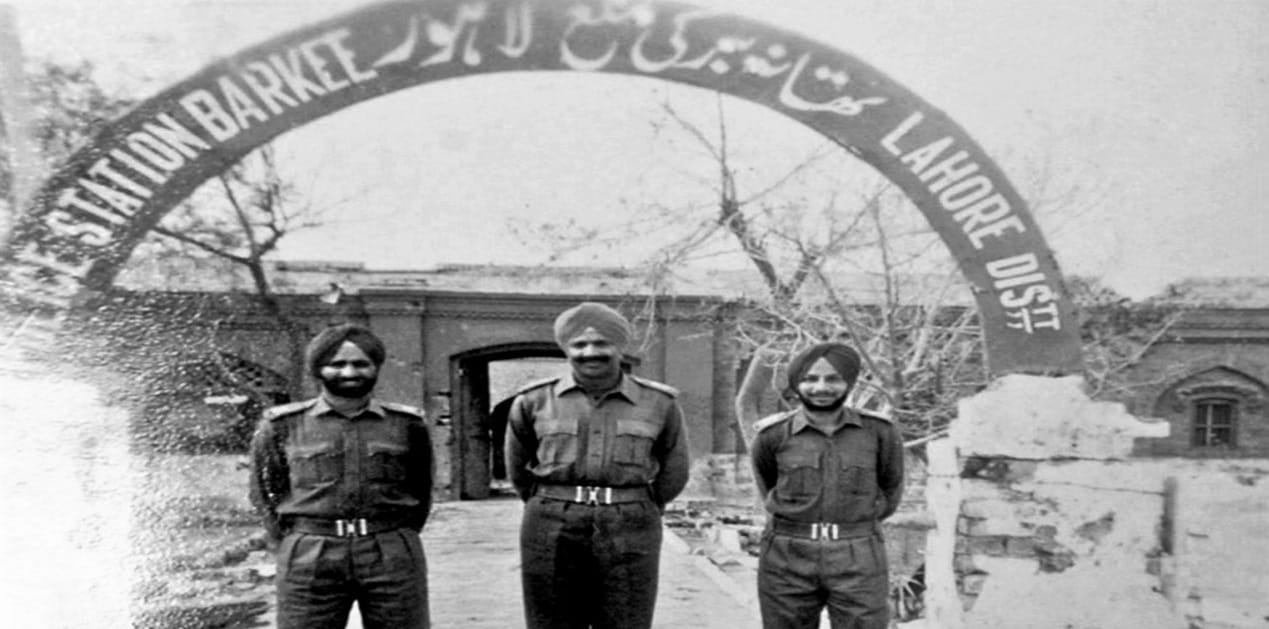
The year 1965 was marked by significant political and military developments in India, most notably the Indo-Pakistani War of 1965. Tensions between India and Pakistan escalated over the disputed region of Jammu and Kashmir, culminating in full-scale hostilities between August and September. Under the leadership of Prime Minister Lal Bahadur Shastri, India pursued a firm military response while maintaining its commitment to national sovereignty. The conflict ended with a United Nations-mandated ceasefire, highlighting both the fragility of regional peace and the increasing importance of India’s defense preparedness. Domestically, the government continued to function within a stable parliamentary framework, though the war placed considerable strain on administrative and economic resources.
Economically, 1965 exposed structural vulnerabilities, particularly in agriculture. The country faced a severe food crisis due to successive droughts, leading to increased reliance on grain imports, including shipments under international assistance programs. These challenges accelerated policy attention toward agricultural reform and productivity, setting the stage for the Green Revolution, which would gain momentum in the following years. Industrial growth remained uneven, constrained by resource limitations and infrastructural bottlenecks. At the same time, the government reinforced its emphasis on self-sufficiency and state-led development within the framework of planned economic policy.
Socially, the effects of war and food shortages were felt across urban and rural populations. Rationing measures and calls for conservation became part of everyday life, reflecting a period of austerity and collective discipline. Rural communities, still forming the majority of the population, faced acute hardships due to crop failures, while urban centers such as Delhi and Kolkata experienced pressures on food supply and employment. Culturally, however, Indian society continued to demonstrate resilience. Cinema, literature, and public discourse often reflected themes of patriotism, sacrifice, and national unity, influenced by the wartime context.
In sum, 1965 was a year of both crisis and consolidation for India. The experience of armed conflict and economic strain underscored the challenges of nation-building in a volatile regional environment. At the same time, the country’s political institutions remained stable, and the policy responses to agricultural and defense challenges contributed to shaping India’s developmental trajectory in the years that followed.
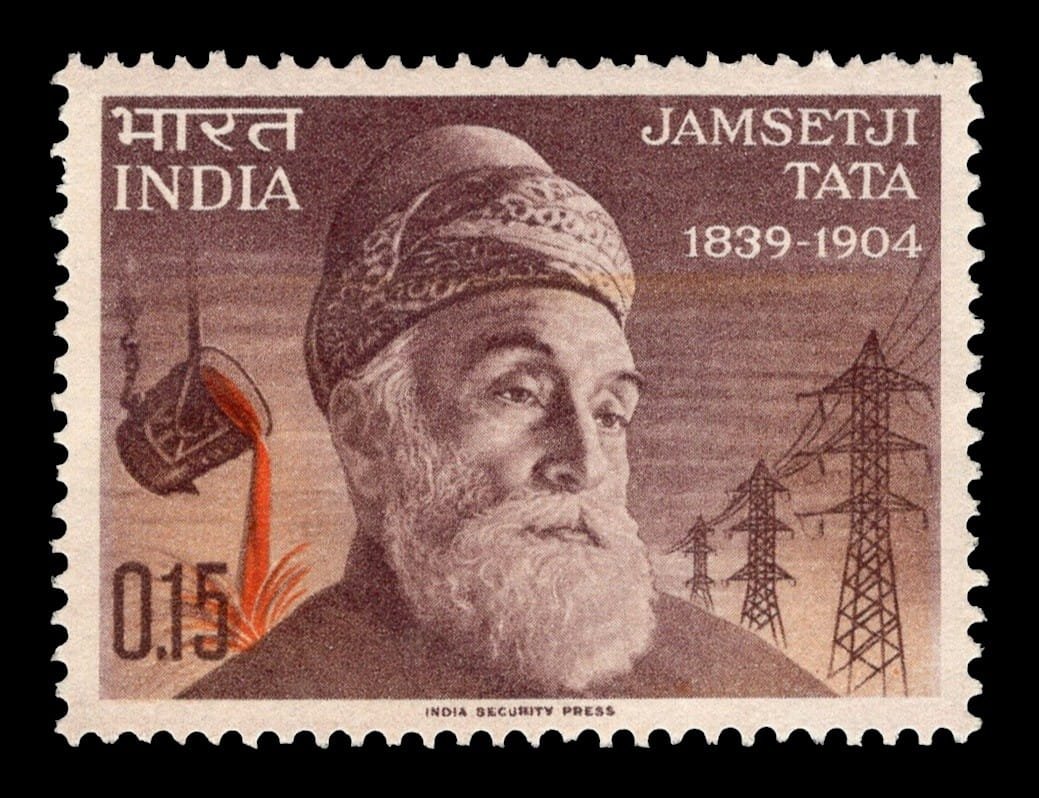
Jamsetji Tata (1839-1904)
Sg:IN 495
15 nP. Multicolour.
comb 13½ x 13

Birth Centenary of Lala Lajpatrai Rai (1865-1928)
Sg:IN 496
15 nP. Light brown. comb 13 x 13½
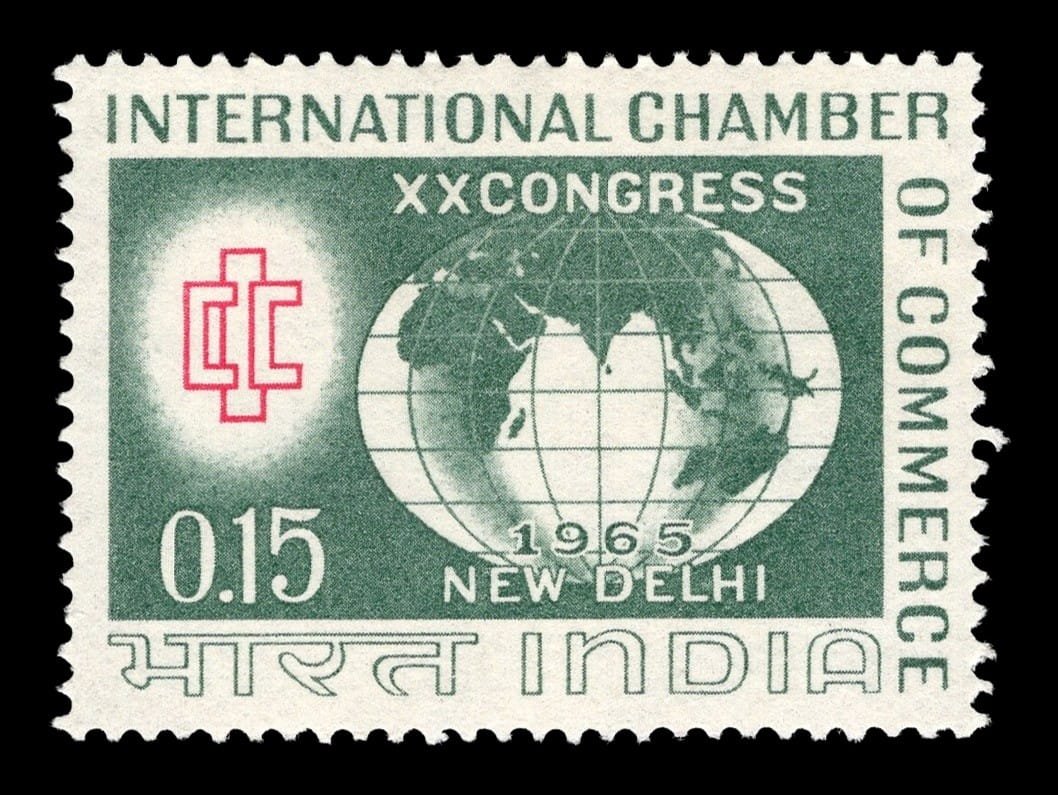
20th International Chamber of Commerce Congress
Sg:IN 497
15 nP. Green | Red. comb 13½ x 13
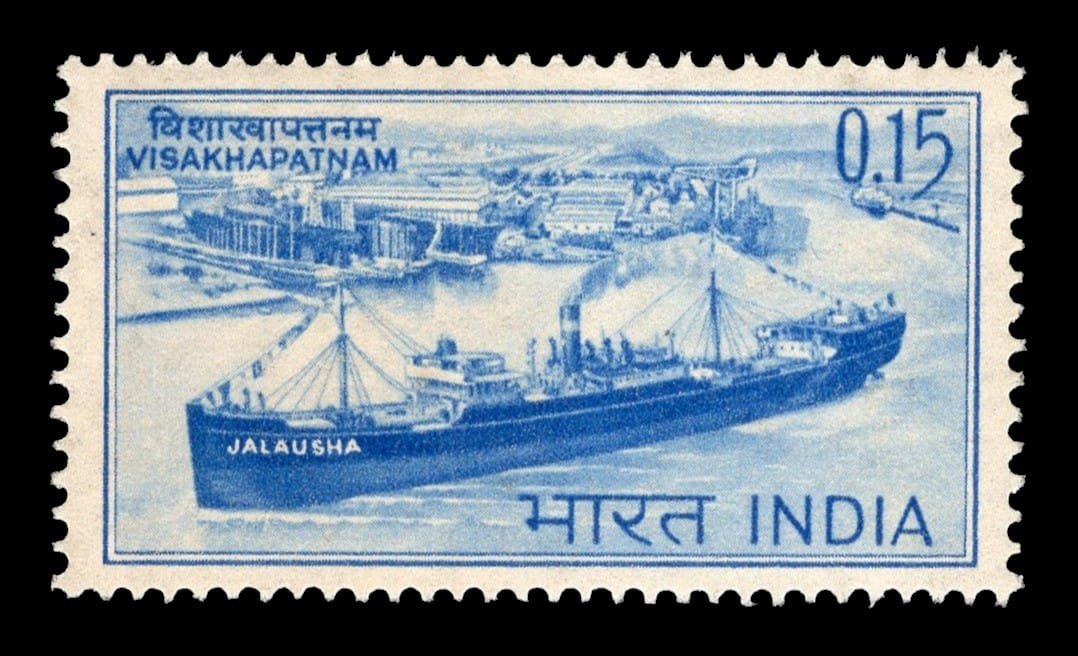
National Maritime Day
Sg:IN 498
15 nP. Blue. comb 14½ x 14
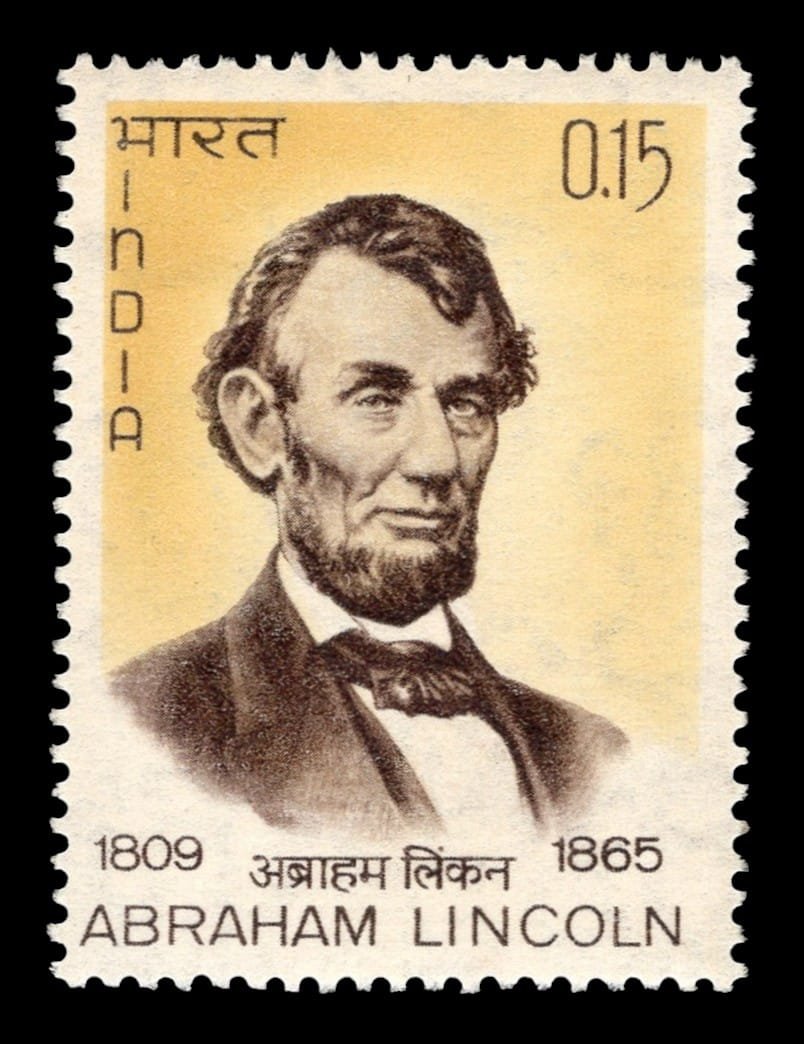
Death Centenary of Abraham Lincoln (1809-1865)
Sg:IN 499
15 nP. Brown | Ochre. comb 13
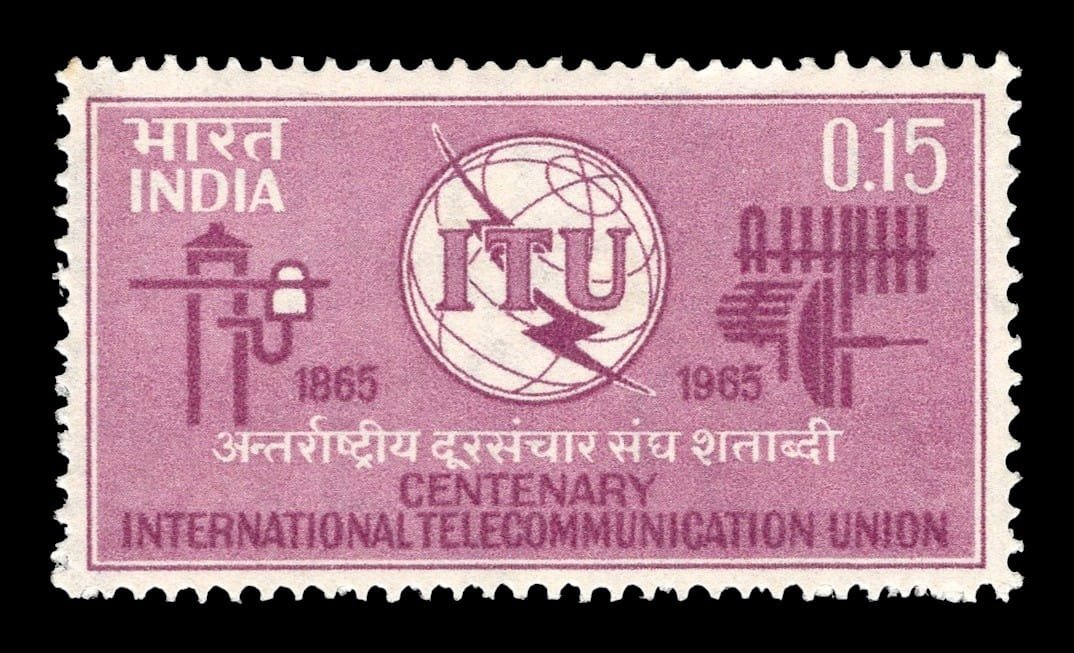
Centenary of International Telecommunication Union (I.T.U.)
Sg:IN 500
15 nP. Purple brown. comb 14½ x 14
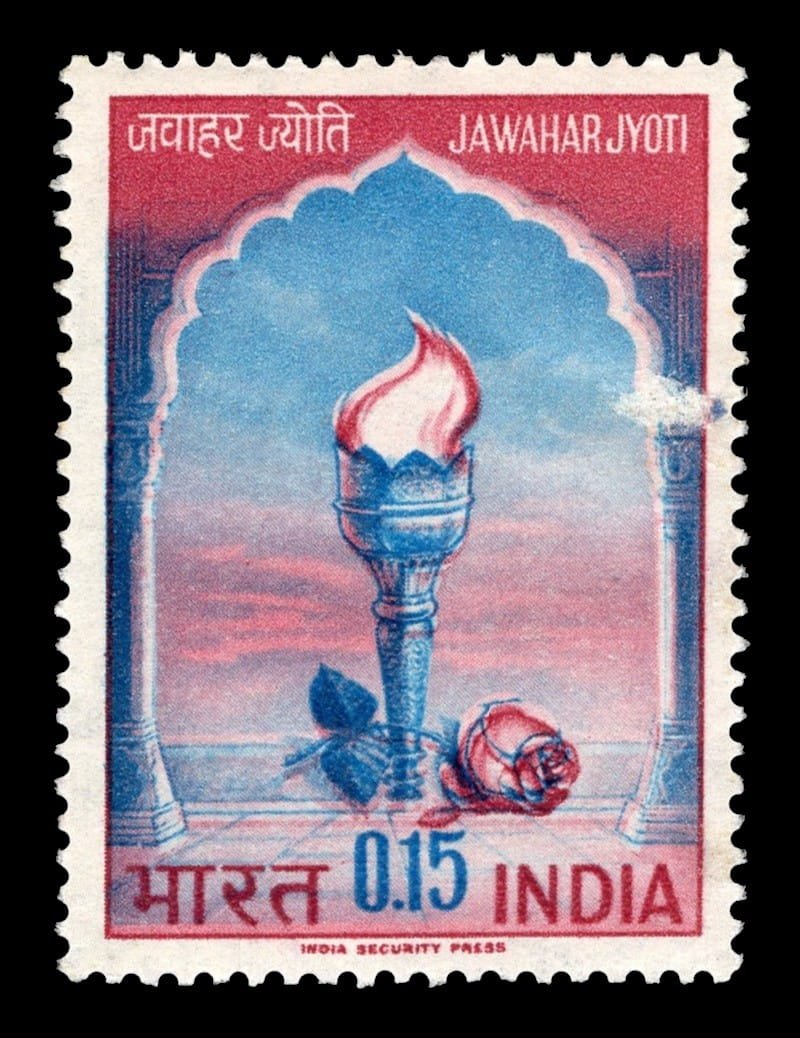
1st Death Anniversery of Jawaharlal Nehru (1889-1964)
Sg:IN 501
15 nP. Multicolour. comb 13
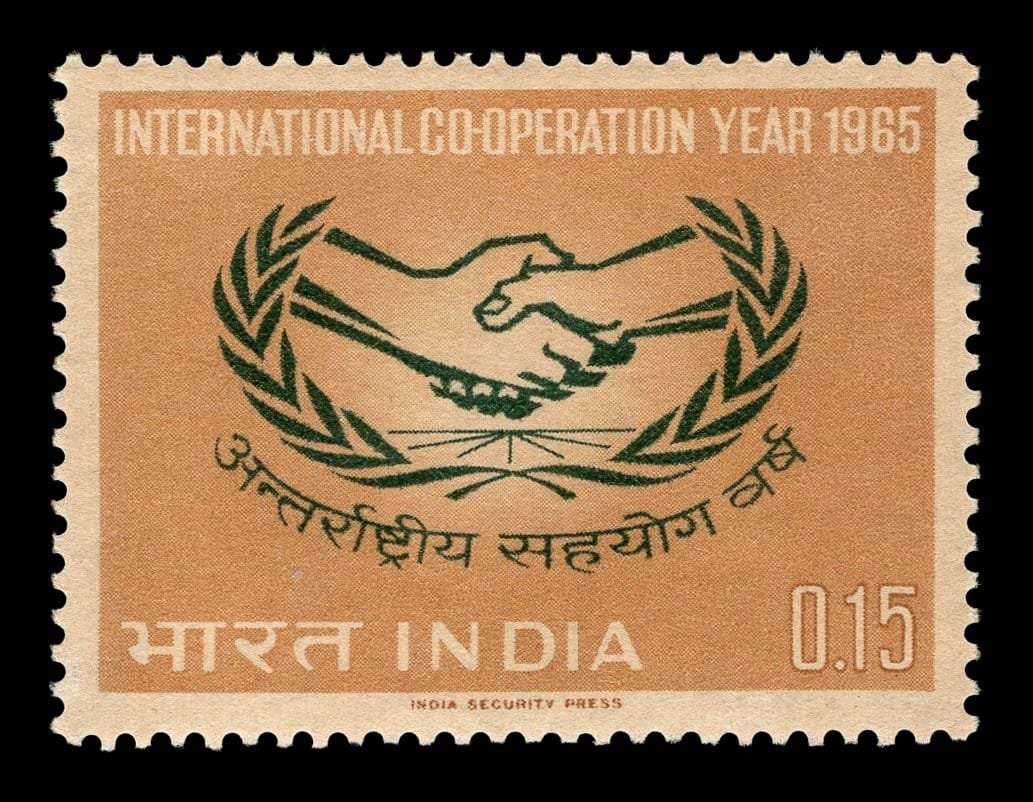
International Co-operation Year, 1965
Sg:IN 502
15 nP. Brown | Green. comb 13½ x 13
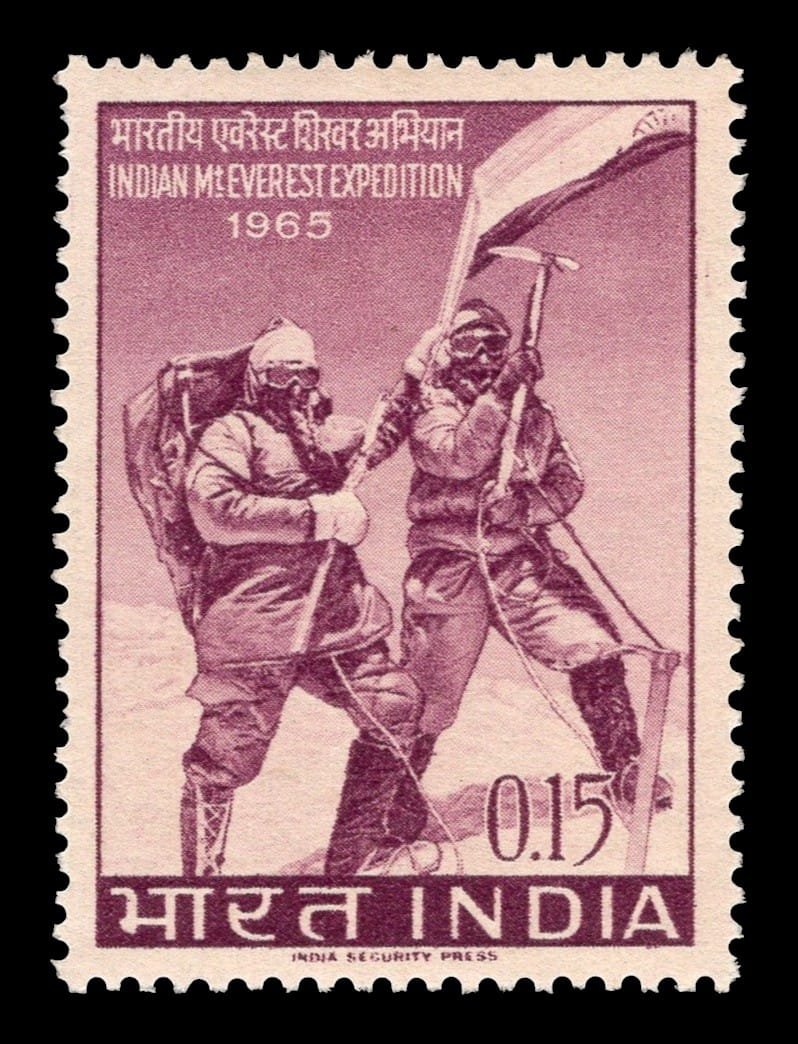
Indian Mount Everest Expedition
Sg:IN 503
15 nP. Purple. comb 13
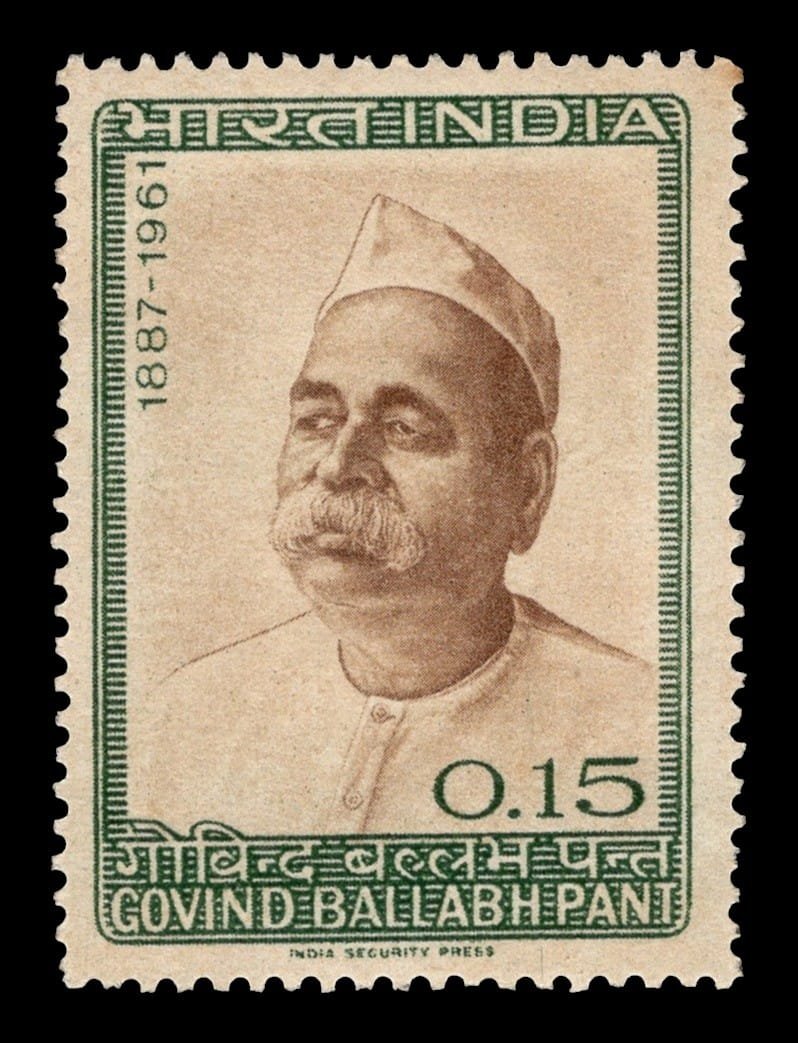
Govind Ballabh Pant (1887-1961)
Sg:IN 522
15 nP. Brown | Green. comb 13
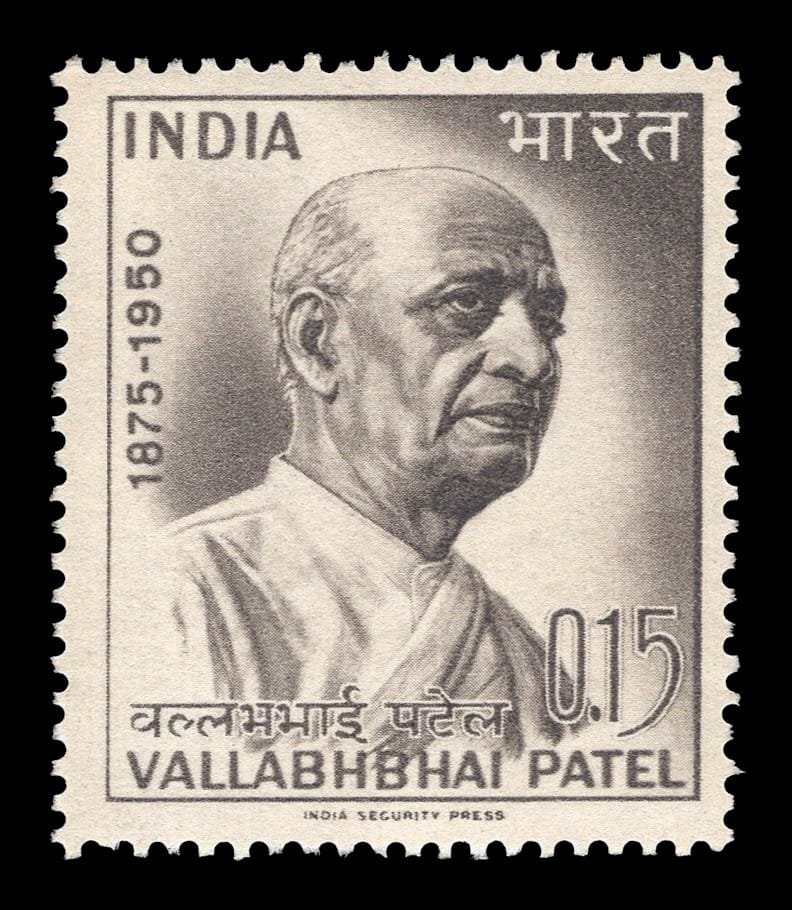
90th Birth Anniversary of Vallabhbhai Patel (1875-1950)
Sg:IN 523
15 nP. Brown | Green. comb 13½ x 13
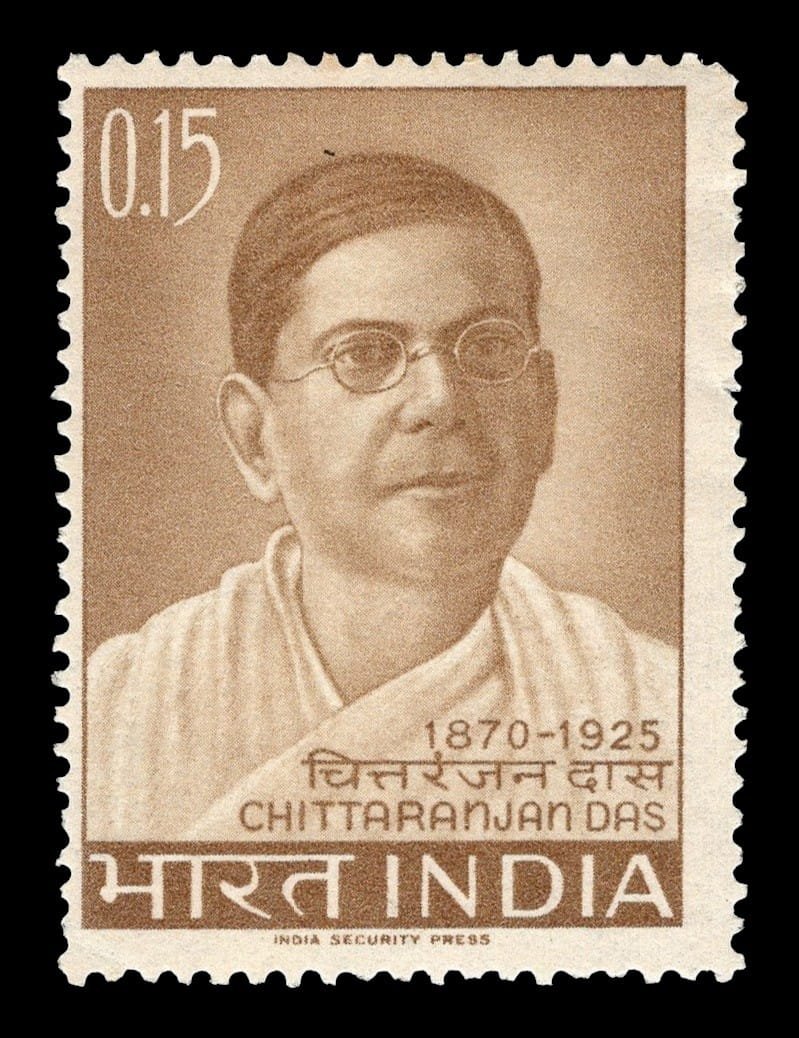
95th Birth Anniversary of Chittaranjan Das (1870-1925)
Sg:IN 524
15 nP. Yellow brown. comb 13
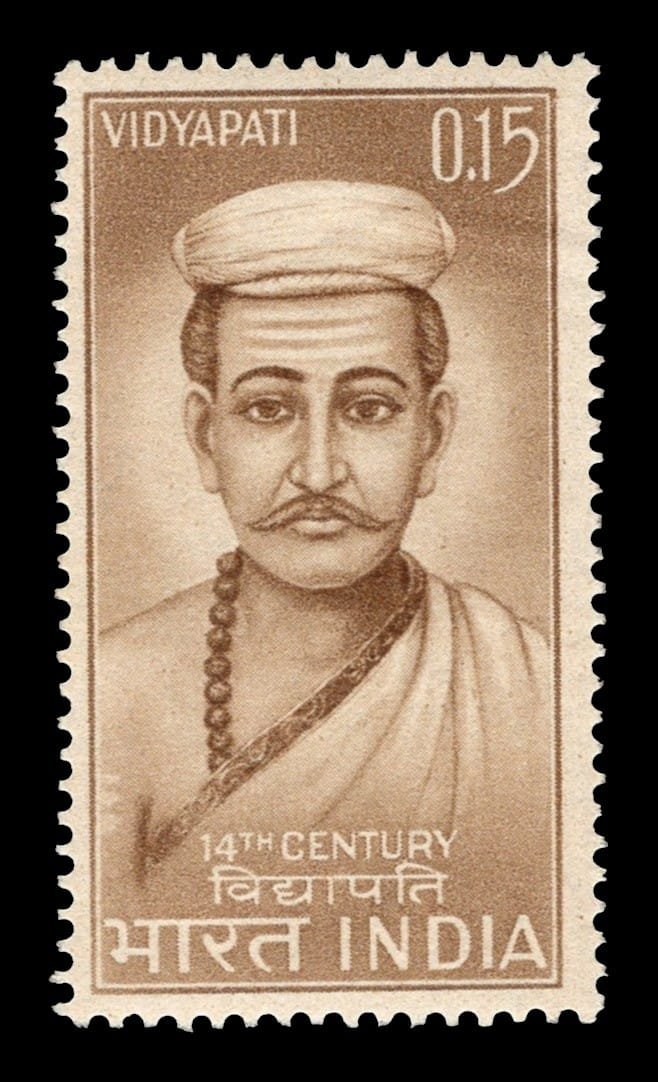
Vidyapati (c.1352–1448)
Sg:IN 525
15 nP. Yellow brown. comb 14 x 14½
All stamp images and content © PhilatelyLife