
India
India - Commemorative Stamps of 1962
1962
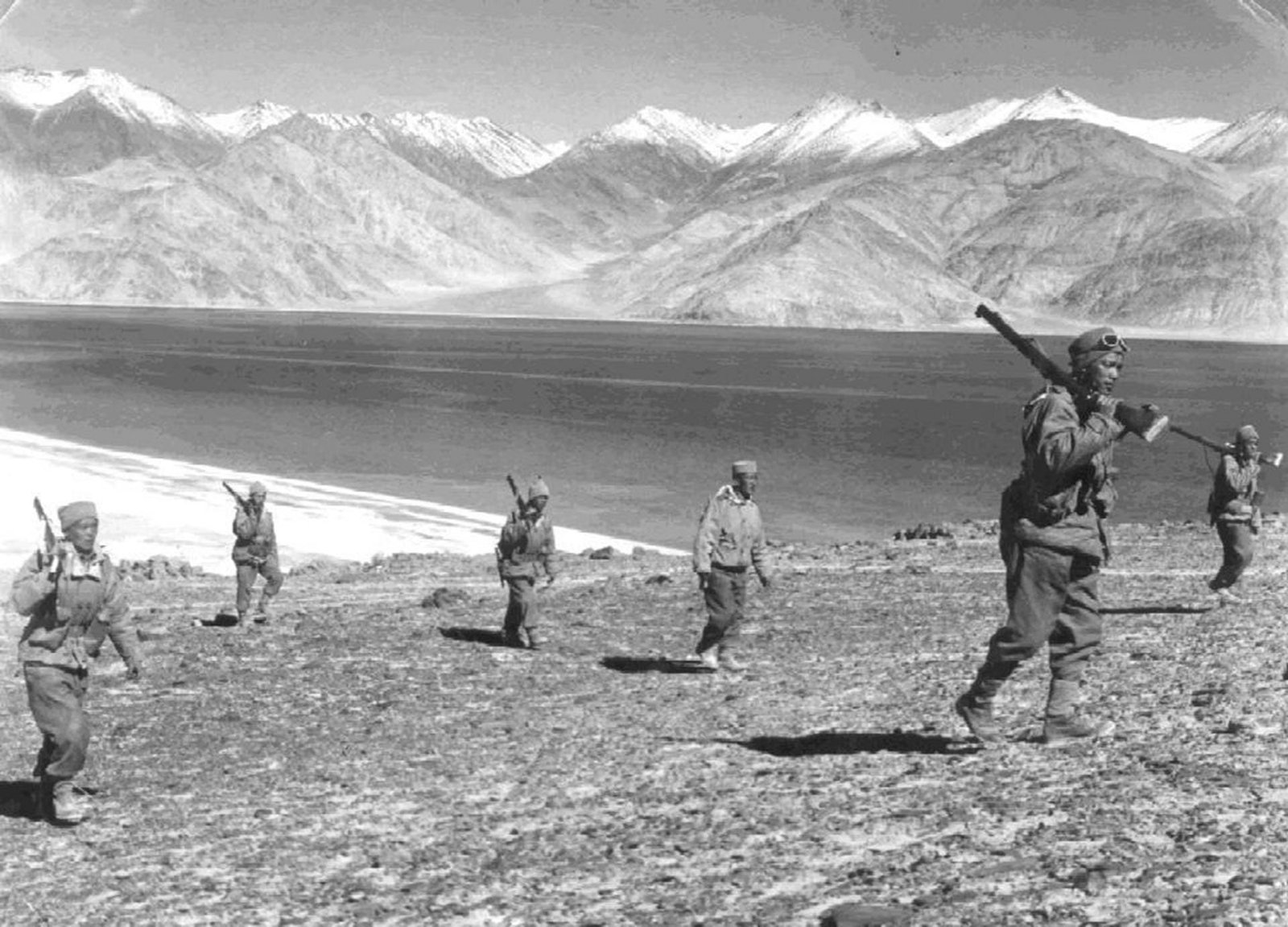
The year 1962 was one of the most significant and challenging years in India’s early post-independence history. It was marked by political confidence, economic optimism, and then, suddenly, a major military crisis that reshaped India’s national security outlook.
In 1962, India stood at a crucial crossroads in its post-independence journey—confident in its democratic institutions and developmental ambitions, yet shaken by geopolitical realities. Led by Prime Minister Jawaharlal Nehru, the nation had just completed its third general election and was moving forward with the Third Five-Year Plan, aiming to strengthen agriculture and expand public-sector industry. However, the year was defined most dramatically by the Sino-Indian War, which erupted in October over unresolved border disputes in Aksai Chin and the North-East Frontier Agency. China’s swift military advances exposed India’s strategic vulnerabilities and brought a sudden end to the optimism of the “Hindi-Chini Bhai-Bhai” era. This conflict reshaped India’s defence policies, accelerated military modernization, and left a lasting impact on foreign relations. Alongside this, India continued absorbing newly integrated territories like Goa, nurturing its cultural industries, and balancing a largely rural society with its aspirations for industrial and scientific progress.
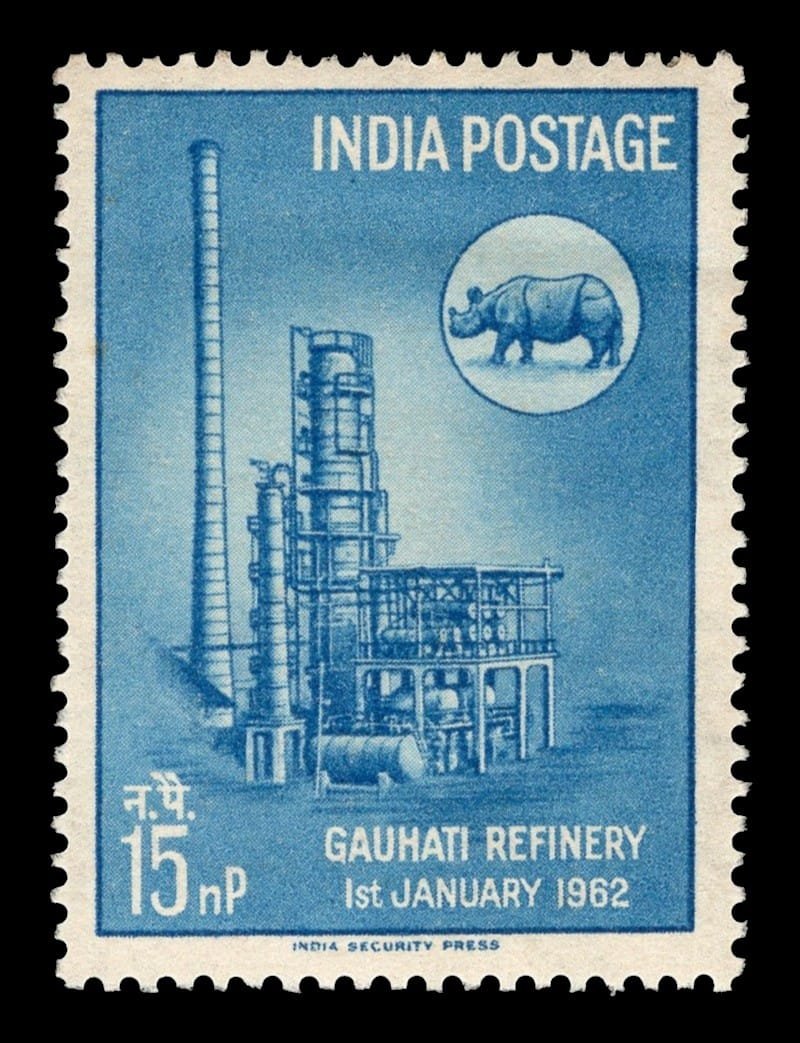
Inauguration of Gauhati Oil Refinery
Sg:IN 449
15 nP. Blue. comb 13
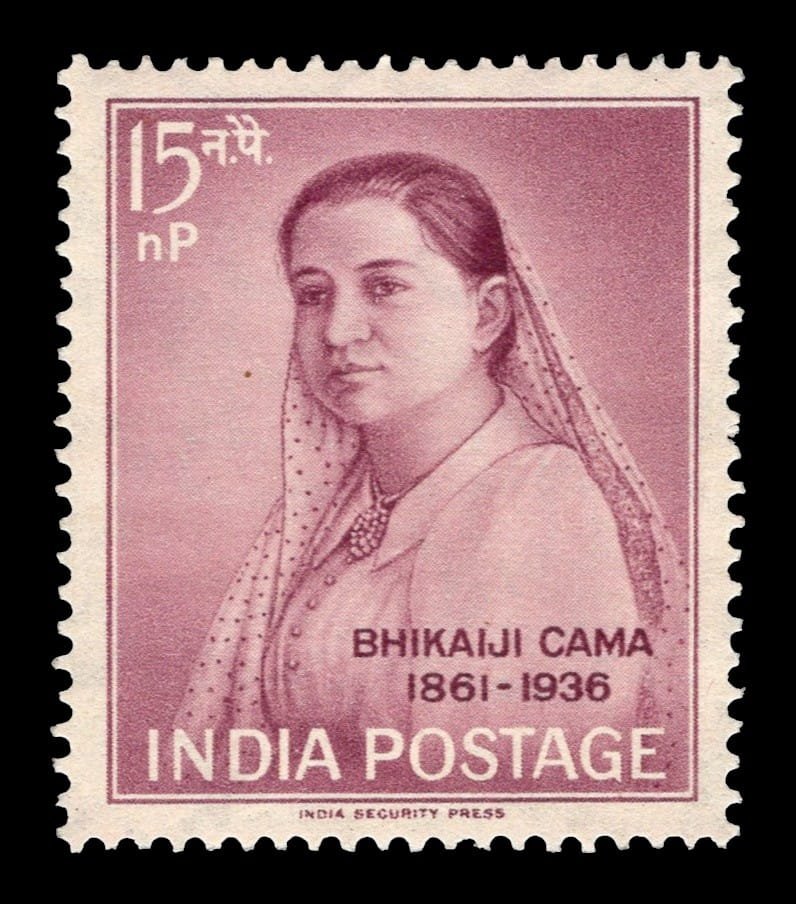
Birth Centenary of Bhikaji Cama (1861-1936)
Sg:IN 450
15 nP. Reddish purple. comb 14
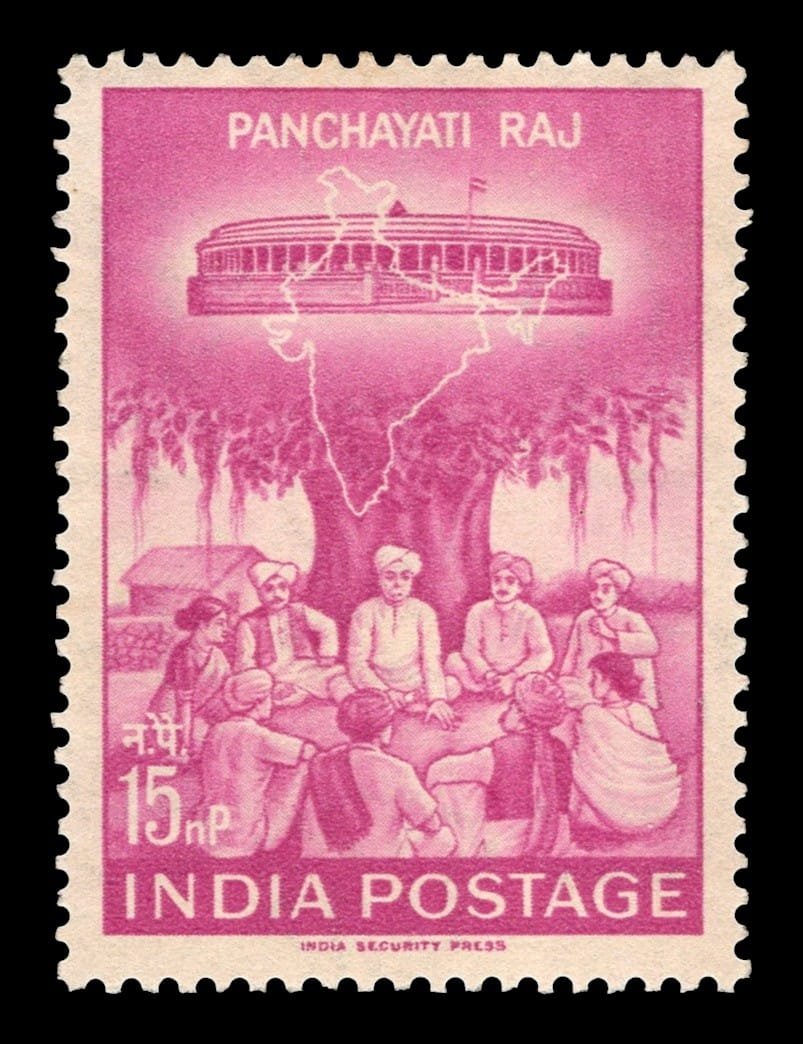
Inauguration of the Panchayati System of Governance
Sg:IN 451
15 nP. Reddish purple. comb 14
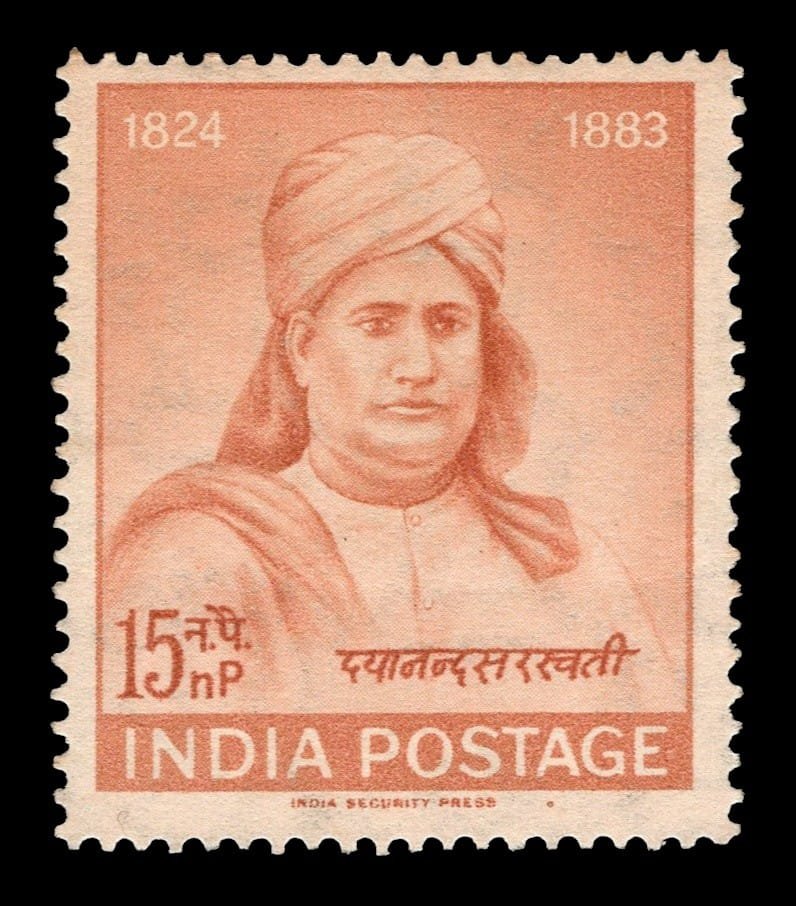
Dayananda Sarasvati (1824-1883)
Sg:IN 452
15 nP. Orange brown. comb 14
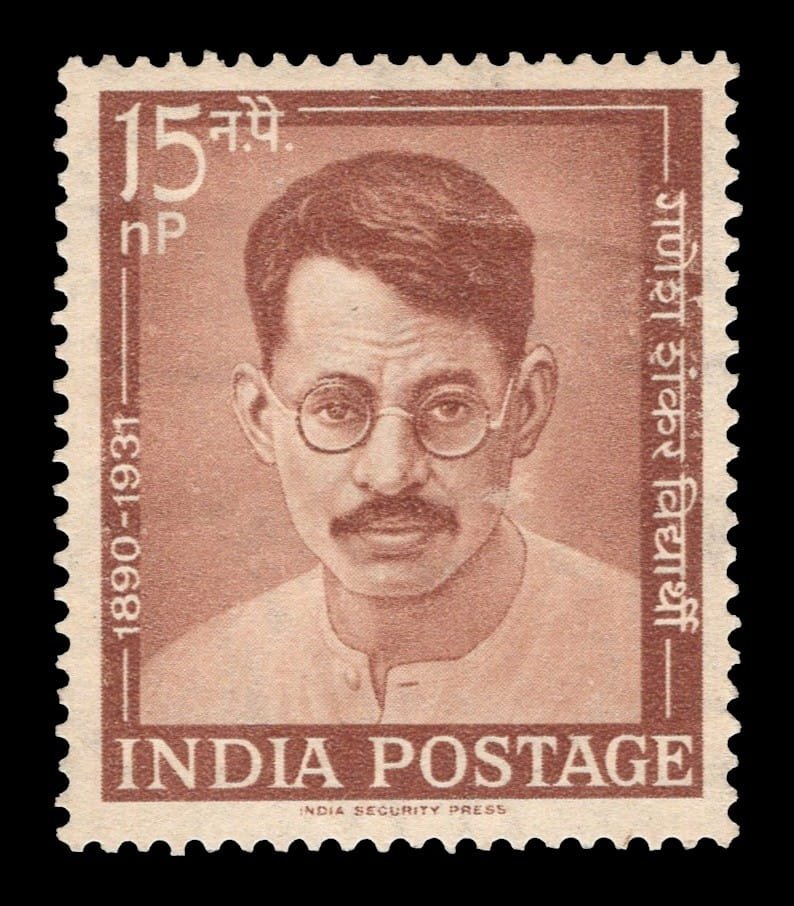
Ganesh Shankar Vidyarthi (1890-1931)
Sg:IN 453
15 nP. Red brown. comb 14
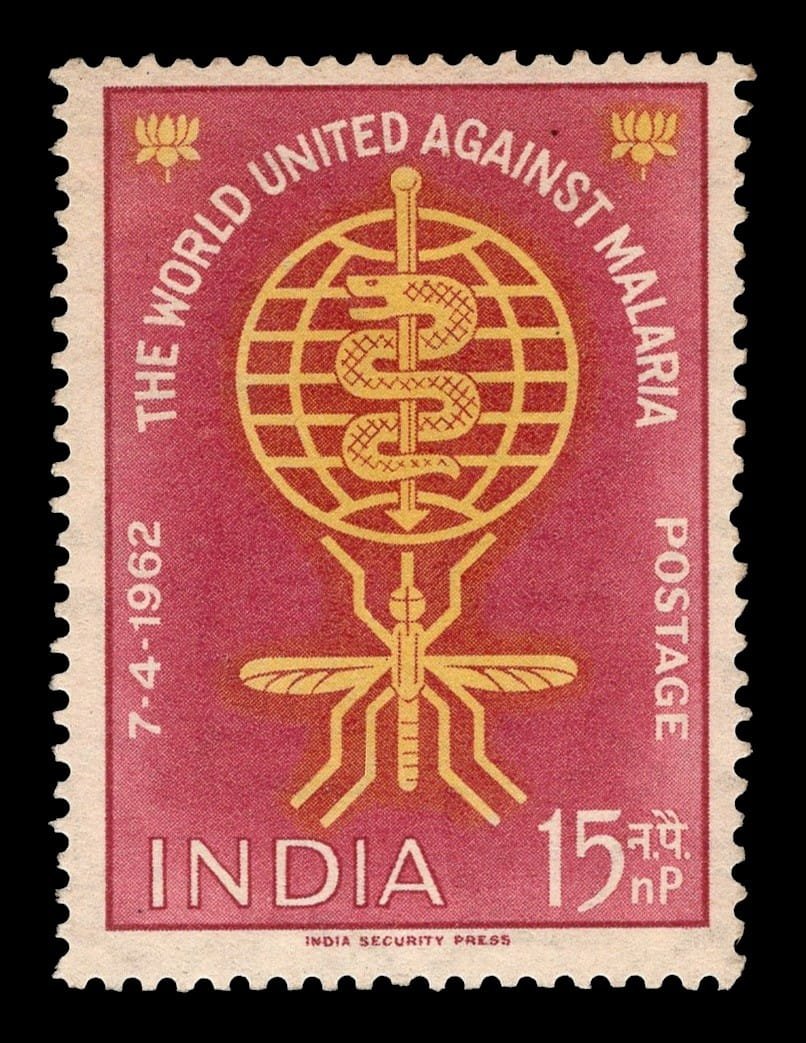
The World United Against Malaria
Sg:IN 454
15 nP. Claret | Yellow. comb 13 x 13½
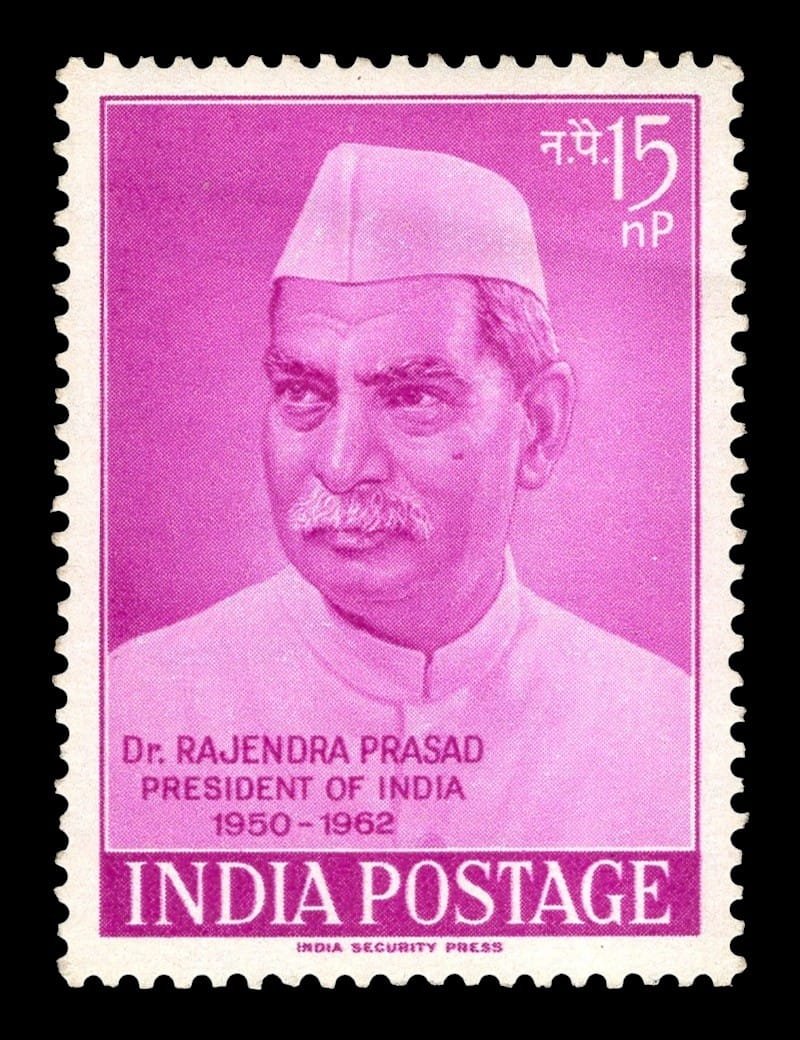
Retirement of President Dr. Rajendra Prasad
Sg:IN 455
15 nP. Claret | Yellow. comb 13 x 13½
Centenaries of Indian High Courts
Calcutta, Madras and Bombay High Courts
Commemorative, Photogravure, Securities Printing Press (Nashik), Wmk Ashokan Capital (multiple)
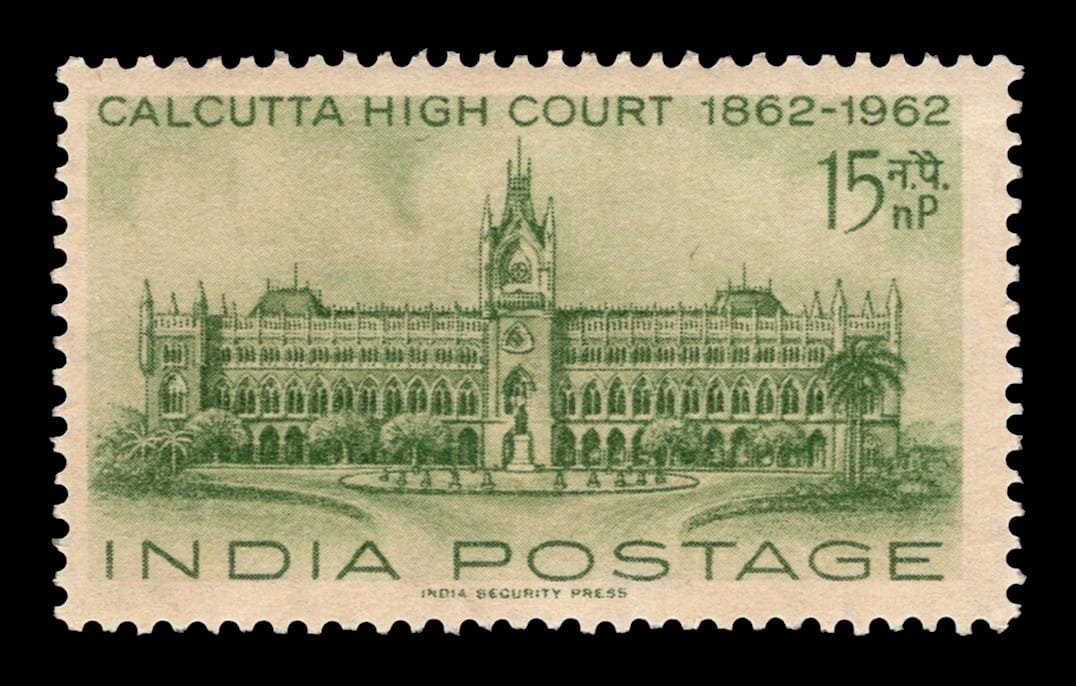
Calcutta High Court
Sg:IN 456
15 nP. Dull green. comb 14
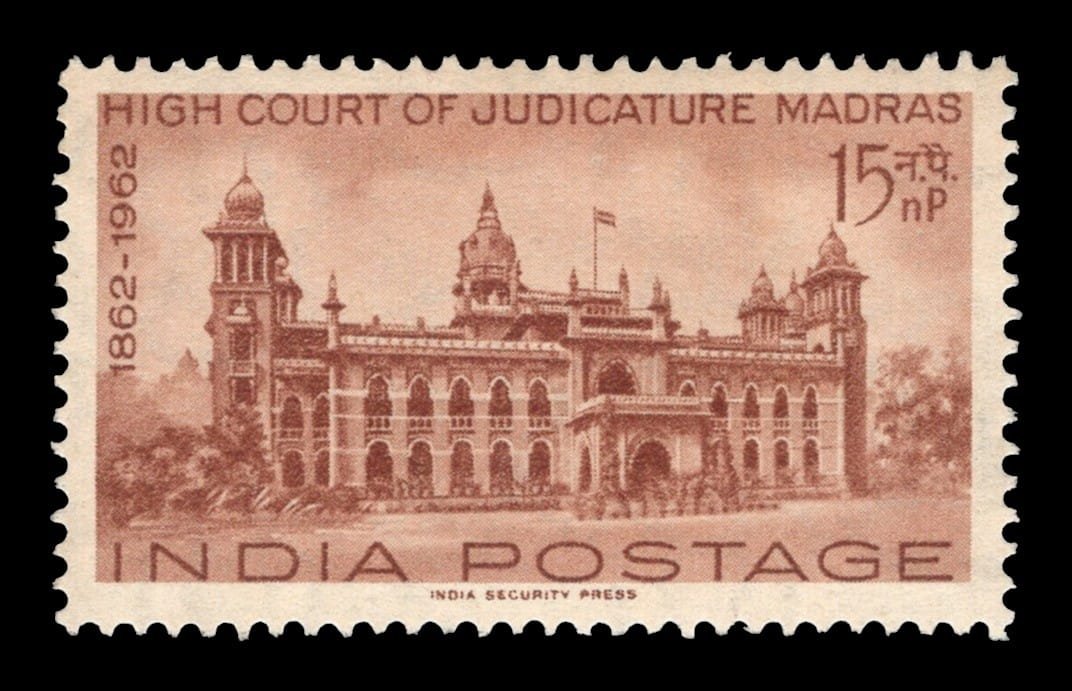
Birth Centenary of Bhikaji Cama (1861-1936)
Sg:IN 457
15 nP. Red brown. comb 14
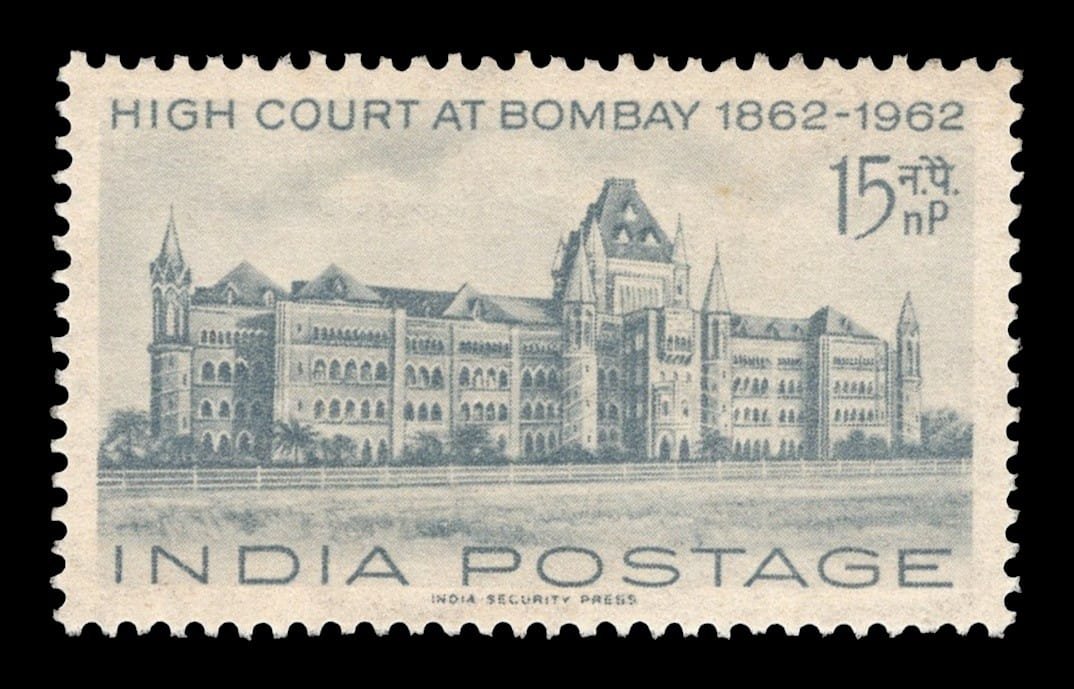
Inauguration of the Panchayati System of Governance
Sg:IN 458
15 nP. Slate. comb 14
The High Courts of Calcutta, Bombay, and Madras—three of India’s oldest judicial institutions—were all established in 1862 under the Indian High Courts Act of 1861, replacing the earlier Supreme Courts set up by the British. The Calcutta High Court was formally inaugurated on 1 July 1862, followed by the Bombay High Court on 14 August 1862 and the Madras High Court on 15 August 1862, each becoming a cornerstone of the colonial legal system and later of independent India’s judiciary. In 1962, these courts marked their centenary, celebrating one hundred years of continuous judicial service. The centenary year highlighted their rich legacy in shaping Indian jurisprudence, their role in major constitutional and civil cases, and their contributions to the evolution of legal education and the rule of law in a rapidly modernising India.
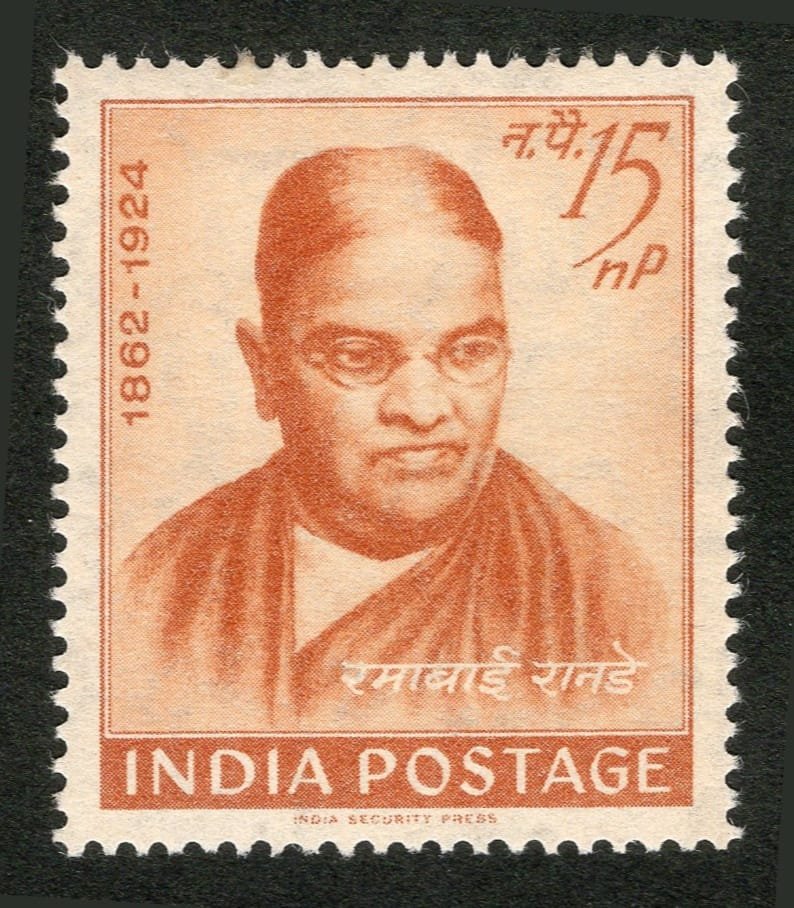
Birth Centenary of Ramabai Ranade (1862-1924)
Sg:IN 459
15 nP. Orange brown. comb 14 x 13½
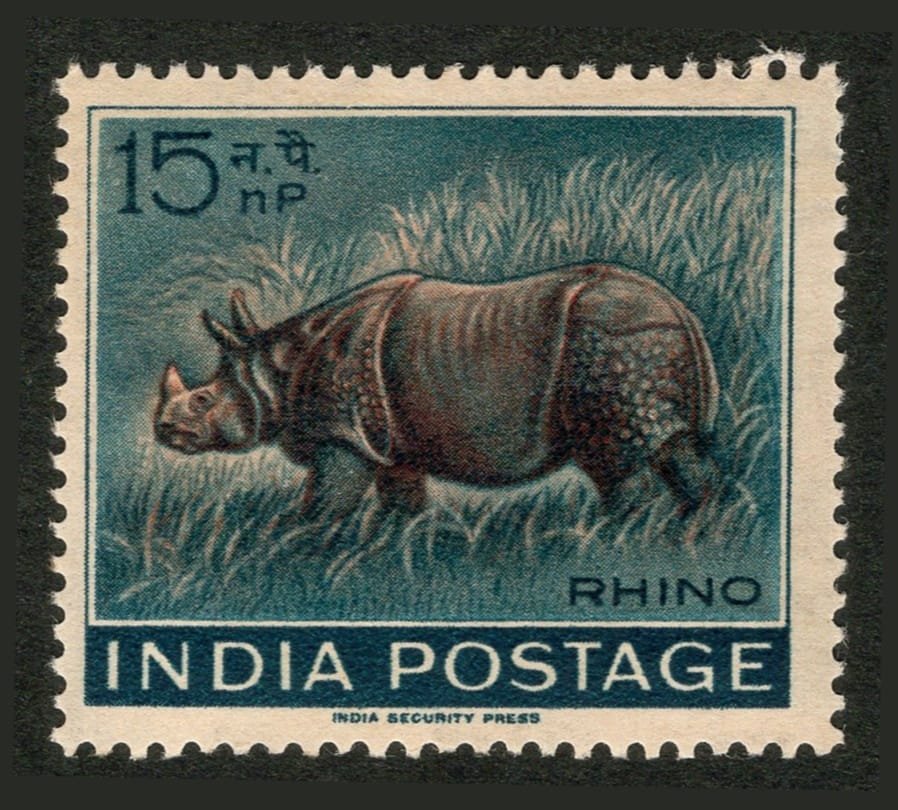
Rhino
Sg:IN 460
15 nP. Red brown. comb 13½ x 14
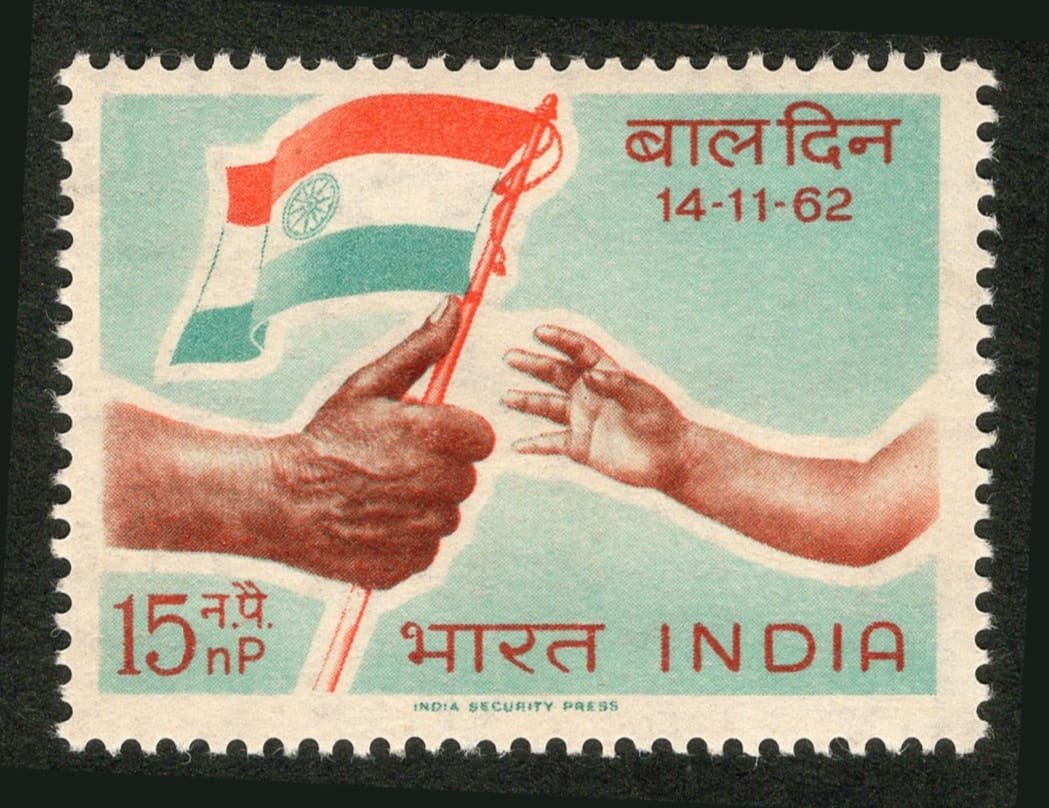
Children's Day 1962
Sg:IN 461
15 nP. Multicolour. comb 13½ x 13
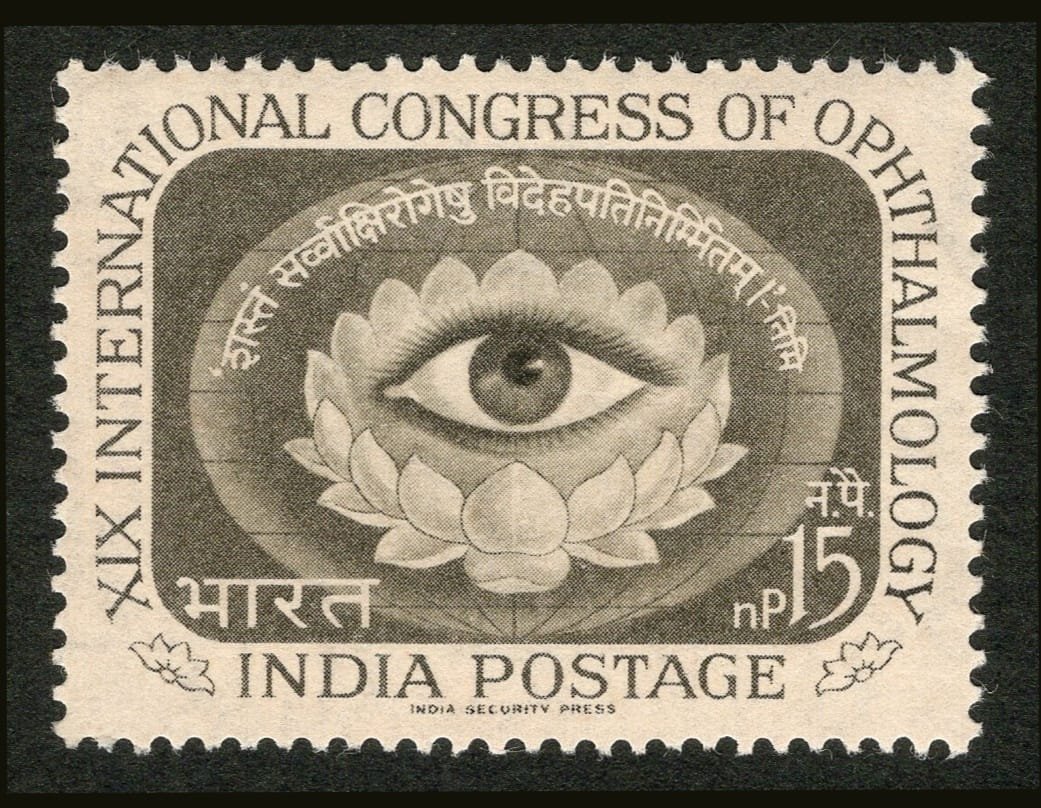
19th International Ophthalmology Congress, New Delhi
Sg:IN 462
15 nP. Sepia. comb 13½ x 13
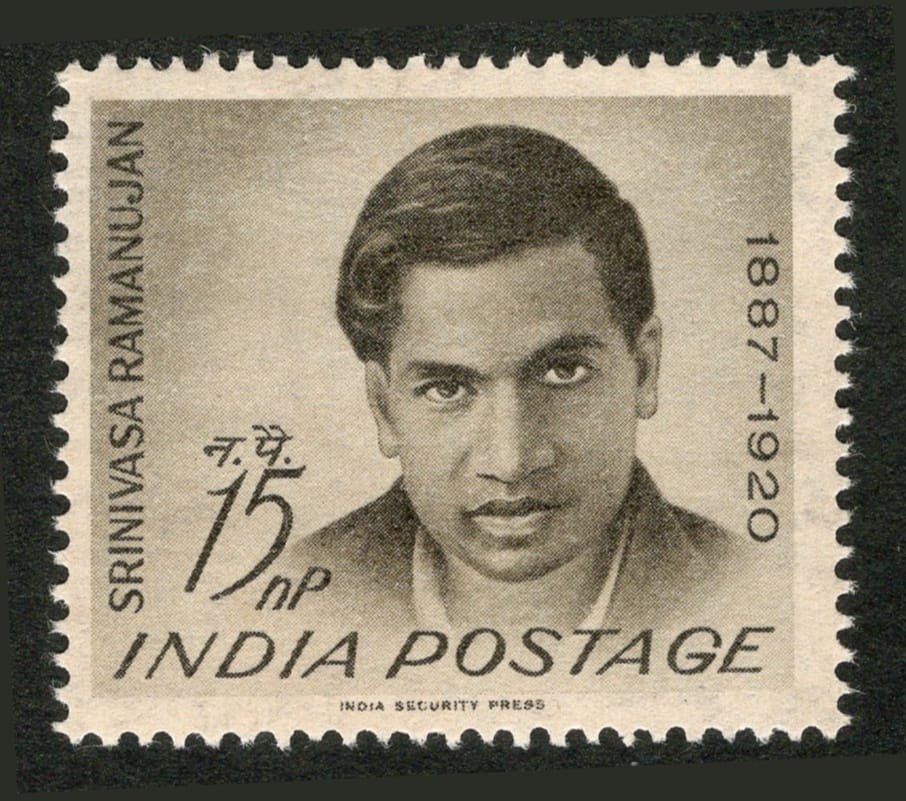
75th Birth Anniversary of Srinivasa Ramanujan (1887-1920)
Sg:IN 463
15 nP. Olive grey. comb
13½ x 14
All stamp images and content © PhilatelyLife